Great DIY Plumbing Tools to Keep Around the House
There are lots of plumbing problems that can plague a house, but as long as you're prepared by having the right tools on hand, you won’t be caught off guard by minor repairs and maintenance issues.
But knowing what the right tools are can be difficult, especially since a trip to the tool section in any hardware store will overwhelm anybody but a professional or the most avid DIYer. So here's a list of common plumbing problems you may experience around the house, and the tools you should have on hand to fix them.
Tools for Unclogging Pipes
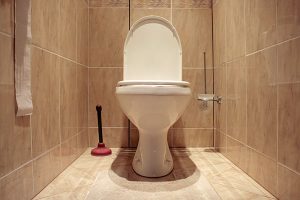 Clogs can be a major issue in many households because they can occur easily and can completely shut down important elements in your house. For instance, a clog in the kitchen sink can stop you from cooking, cleaning, and washing dishes.
A clog in the bathroom can prevent you from using the toilet. And a stopped up shower or tub can interrupt your entire family’s hygiene routines. That’s why you need unclogging tools on hand.
Plunger: These use suction to force clogs out of place. Ensure there's about two inches of water in the basin (either the toilet, sink, tub, or shower), block any overflows with a damp cloth, and plunge in a vertical motion for about 20 seconds to dislodge blockages.
Pipe wrench: If all else fails with the plunger, you can also physically remove clogs from pipes. Use the pipe wrench to loosen the fittings (turn to the left, or counter-clockwise) under your sink, remove the clogged pipe, and push or pull out the clog before replacing the pipe.
Tools for Loosening and Tightening
Anything that’s fitted together by attaching one thing to another is at risk of coming loose, and that’s where tightening tools come in handy. It could be anything from a pipe to a bookshelf to a wall-mounted television: if there's a pipe or a screw, it could possibly come loose.
Pipe wrench: A pipe wrench is a perfect tool for tightening pipe fittings when they come loose. When that happens, pipes will leak, water will drip, and there will be a mess. Similarly, when you need to loosen off a pipe to remove it or replace it, the pipe wrench is your ideal tool for that too.
Screwdrivers: These are also perfect for loosening and tightening, but the difference is they're designed for screws. Anytime there are screws involved, a screwdriver with the right bit is your tool of choice whenever you need to assemble something, take something apart, or tighten things up to prevent them from shifting.
 Tools for Sealing Leaks
There are many types of leaks you could experience in your house, but caulk is best suited to stop air leaks (though that’s not all it does). Caulk is what you put around doors and windows to stop air from seeping out and leaking in.
Caulk gun: The only way to apply a bead of caulk is with a proper caulker, and this simple tool could save you tons of money on your energy bills. Small leaks are just as bad as large holes when it comes to heating and cooling your home, and a proper caulking job will seal cracks and leaks, stopping the transfer of air from inside and outside your home.
If you're just starting out as a DIY fixer-upper, you may need some help along the way, and that’s what we’re here for. Call K. Hoeler Plumbing & Heating, in Boonton, NJ at 973-882-2803 if you need help with a project, encounter bigger issues that you aren't equipped to deal with, need assistance with repairs or maintenance, or have a plumbing emergency that requires immediate attention.

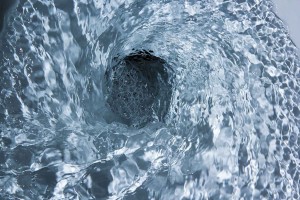 well.
well.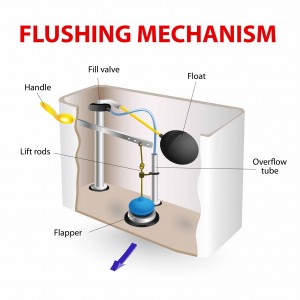 If your flapper seems to be working just fine, then check the fill tube. The fill tube is the small plastic tube that connects the fill valve and the overflow pipe.
 Every homeowner’s worst nightmare probably goes a little something like this: Going on vacation someplace beautiful and relaxing.
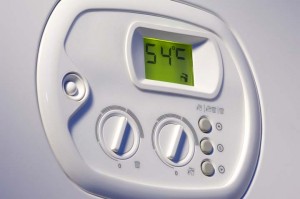 An empty house doesn’t need hot water. Save money and prevent mishaps by programming your water heater to “vacation mode.” Most modern water heaters have this setting; sometimes it’s also displayed as a “VAC” setting.
  A thorough inspection should include the plumbing of your potential home. I recommend that you hire a good plumber from a reputable company to do the inspection.
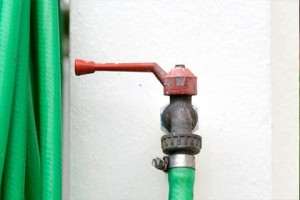 It is important that you know the place where water can be shut off from. If it is not working properly, have it replaced before you pay for the home. A good and working valve is necessary.
 It is also important to enquire about the water heater, whether it is a rental or whether the previous owner paid for it in full.
 In many households, people still wash dishes by hand.
 When a toilet is flushed, it’s completely normal to hear running water, but if the sound doesn’t go away after about one minute, then there is a good chance that the flush mechanism isn’t working correctly.
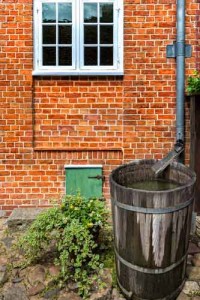 A typical home has water pipes located in the walls and underneath the house. Some of the worst leaks are the ones that you can’t see. The water pipes under your home can begin leaking and waste thousands of gallons of water.
 Two: No Power is Reaching the Thermostat
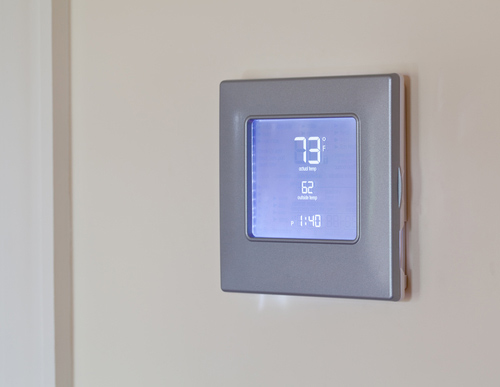 With a specialized diagnostic tool, our company’s cooling and heating technicians can determine if an anticipator is repairable or if the part requires replacement.
 There Are Many Benefits If You Filter Your Water...
 In some cases, the wires inside the thermostat are loose or degraded, and a technician is often able to replace the wires to avoid buying a new thermostat for a home. If the wires are not connecting properly, our technician understands how to tighten loose screws to secure the wires correctly. Working with electricity and wires is often dangerous, and it is better to contact an expert than attempt this repair. The items needed for this repair include: